February 22, 2026
Navigating Challenges in Steel Fabrication: A Comprehensive Guide
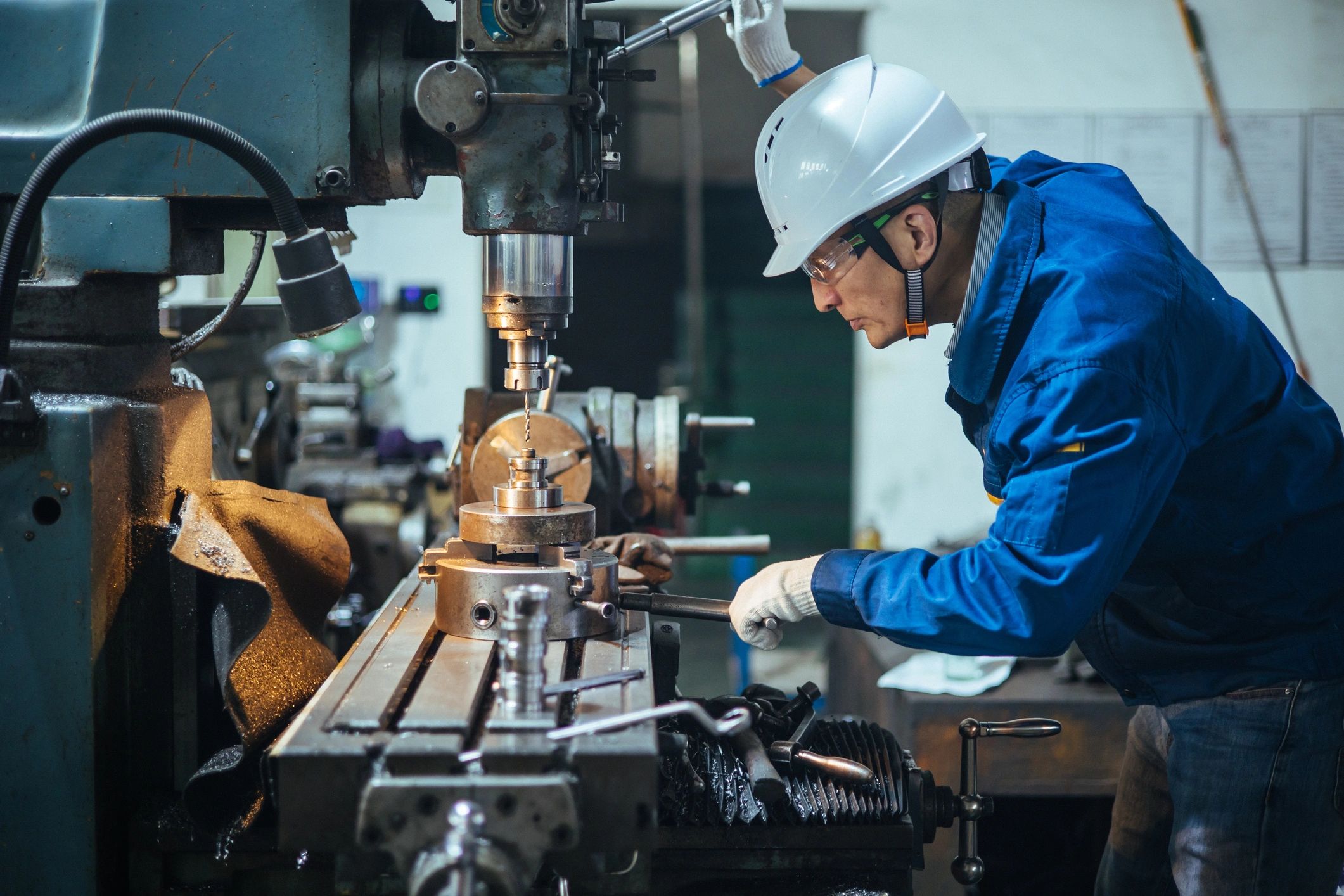
Unveiling the Crucial Role of Steel Fabrication
Steel fabrication is more than the art of shaping metal—it forms the backbone of modern infrastructure. This dynamic process supports a wide array of industries, including construction, mining, agriculture, and municipal development by delivering strong, reliable components essential for safe and lasting structures. When you understand the integral role of steel fabrication, you see how meticulously engineered metal solutions drive efficient and secure project outcomes.
In this guide, you will explore:
- How precision techniques in steel fabrication ensure structural integrity and compliance with industry standards.
- Practical insights into managing fabrication challenges and how innovative approaches boost project performance.
- Tips on navigating the complexities of regulatory requirements and site-specific needs in regions like Lovelock, NV.
- Strategies to overcome common issues encountered on construction sites and industrial environments.
By breaking down complex fabrication processes into clear, actionable steps, this introduction sets the stage for a deeper understanding of a critical industry practice. Whether you're involved in large-scale construction or niche industrial projects, the insights provided here aim to enhance your approach to quality, safety, and innovation in steel fabrication.
Unraveling Fabrication Hurdles
Steel fabricators face a host of challenges that can seriously affect both efficiency and product quality. Production delays, design misinterpretations, and stringent compliance requirements demand constant vigilance—from managing tight weld tolerances to aligning with code standards. When smooth operations are interrupted by material defects or scheduling bottlenecks, downtime can multiply, impacting delivery timelines and raising overall costs.
Key challenges include:
- Material Quality Issues: Variations in steel grades and treatment processes can lead to inconsistencies in the final product.
- Precision in Fabrication: Maintaining strict tolerances during welding and cutting operations is vital to ensure structural integrity.
- Complex Compliance Requirements: Keeping up with local safety mandates and regulatory guidelines, particularly in locations like Lovelock, NV, can complicate production flow.
- Skilled Workforce Shortages: A scarcity of experienced welders and technicians often hinder the pace, leading to potential compromises in quality.
Addressing these obstacles calls for robust planning and proactive quality control measures. Streamlined communication between design engineers and on-site fabricators can enhance decision-making, while adopting systematic approaches to maintenance and equipment checks ensures that production stays on track throughout every step of the fabrication process.
Innovative Technologies Driving Precision in Steel Fabrication
Steel fabrication is experiencing a transformative shift as cutting-edge technologies and refined methodologies push the boundaries of precision and efficiency. Advances in computer numerical control (CNC) machining allow fabricators to achieve tighter tolerances and intricate designs, reducing waste and errors in production. Today’s state-of-the-art laser cutting systems are not only faster but also enhance material utilization and consistency, which is essential for projects ranging from infrastructure in Lovelock, NV to industrial applications nationwide.
Recent innovations include the integration of automated welding solutions that streamline the cutting and assembly process, as well as robotic material handling systems that elevate both safety and productivity. These systems work in tandem with advanced simulation software, which enables real-time adjustments and predictive maintenance, ensuring optimal performance and minimal downtime.
Key benefits of embracing these technologies are:
- Enhanced precision and repeatability in production
- Significant reduction in manual intervention and related risks
- Improved scalability and cost-efficiency in meeting high-volume demands
By adopting these innovations, fabricators can not only meet the evolving standards of the industry but also deliver superior, durable products that address common challenges in today’s competitive market.
Mastering Steel Fabrication Challenges
Navigating the complexities of steel fabrication requires a structured, step-by-step approach to overcome common obstacles and boost both productivity and safety. Begin by critically evaluating your current workflow to pinpoint areas where operational delays and safety risks may occur.
- Perform a detailed review of fabrication processes, including welding techniques and equipment setups.
- Identify common issues such as material inconsistencies and schedule bottlenecks. Tip: Maintain detailed logs to track recurring challenges.
- Adopt stringent on-site safety protocols that meet OSHA standards and local regulations.
- Regularly update training sessions to ensure every team member is proficient in safe handling and emergency procedures. Best Practice: Routine drills and safety audits fortify a proactive safety culture.
- Embrace lean manufacturing principles to eliminate waste and streamline workflow.
- Optimize scheduling and maintenance checks, integrating local insights from regions like Lovelock NV. Tip: Use real-time feedback to adjust strategies quickly.
Following these sequential steps can empower your fabrication team to navigate challenges efficiently, ensuring resilient, high-quality operations.
Frequently Asked Questions about Steel Fabrication
What are the key benefits of modern steel fabrication? Steel fabrication offers precise engineering, durability, and adaptability across a range of projects. With evolving techniques and standards, both newcomers and seasoned industry professionals benefit from improved safety and efficiency in construction, mining, and municipal projects.
How can I ensure quality control and compliance? Quality control is achieved through rigorous testing, certified welding practices, and MSHA/OSHA compliance measures. Regular inspections and adherence to detailed engineering designs help maintain high standards.
What factors influence project timelines? Lead times depend on the complexity of the design, material availability, and fabrication methods. Planning ahead and consulting experienced fabricators facilitates smoother project execution, even in regions like Lovelock, NV.
How do custom and design–build services work together? Custom fabrication leverages design–build expertise, where initial sketches are transformed into complete engineering design packages. This integrated approach streamlines project management and minimizes delays.
What practical steps can improve project outcomes?
- Early collaboration with skilled fabricators
- Accurate measurement and material call-outs
- Timely communication throughout the process
These insights aim to help clients navigate common challenges and enhance decision-making in steel fabrication projects.
Wrapping Up: Strategic Innovation as Your Competitive Edge
Innovation and strategic thinking are foundational to staying ahead in the dynamic world of steel fabrication. As this guide has outlined, a commitment to modern technologies and refined processes can greatly enhance the competitive stance of any firm in the industry. Continuous investment in research, cutting-edge welding techniques, and advanced fabrication methods not only streamlines production but also bolsters product quality and market relevance.
Key takeaways include:
- Embracing advanced digital design and fabrication tools to reduce waste and optimize production.
- Prioritizing safety and precision to meet regional standards in areas like Lovelock, NV.
- Adopting a proactive mindset toward process improvement and operational efficiency.
Moving forward, assess your current practices to identify opportunities for innovation and develop a step-by-step plan for improvement. Remember, effective strategy and bold innovation are not only tools for overcoming industry challenges—they are essential for creating lasting competitive advantages. Empower yourself to drive change, and let these insights inspire smarter, more resilient practices for the future of steel fabrication.