December 24, 2025
Optimizing Steel Fabrication for Industrial Projects
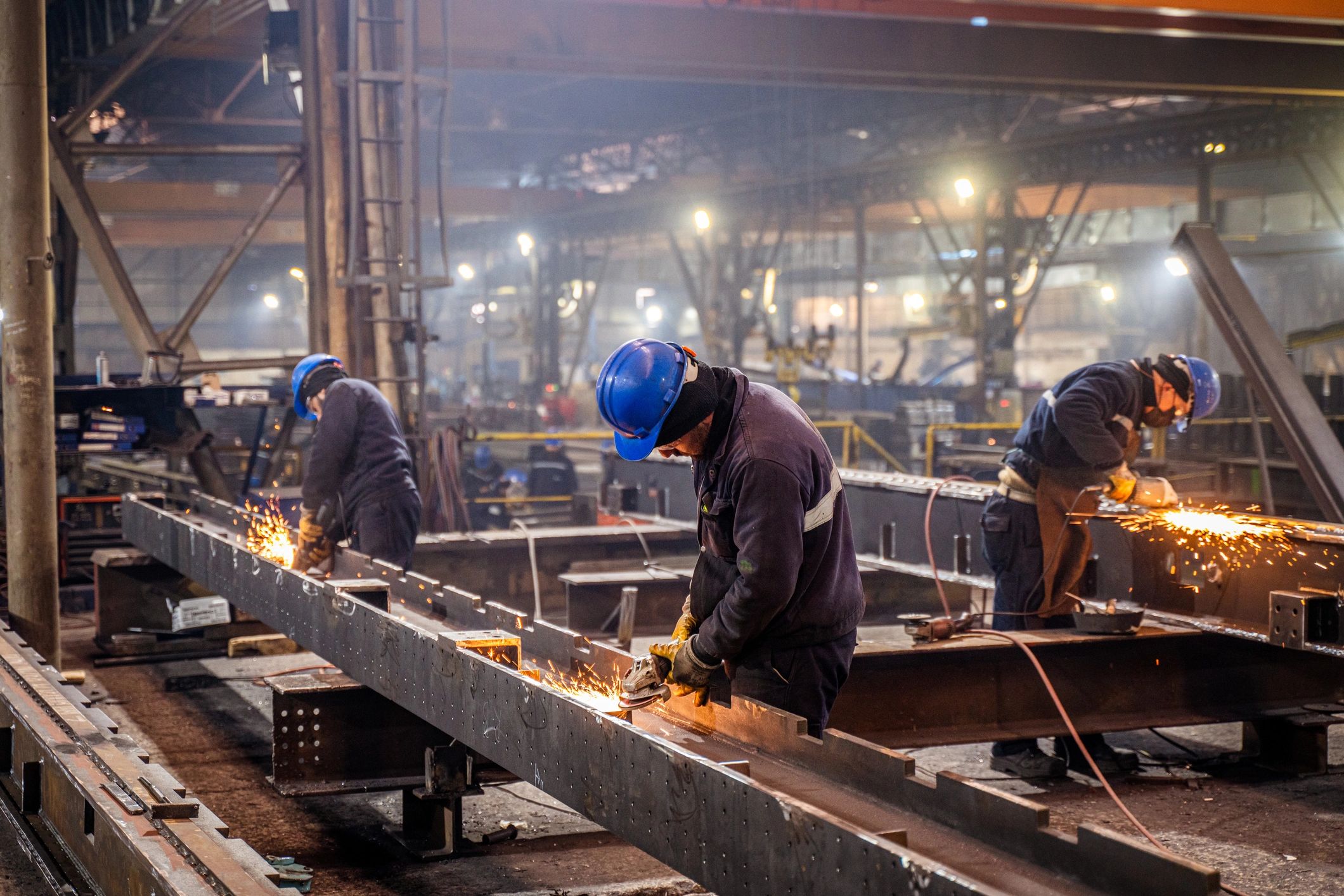
Forging Excellence: The Power of Precision in Steel Fabrication
In today’s ever-evolving industrial landscape, adopting advanced steel fabrication techniques is more than a necessity—it’s a game changer. Precision in fabrication drives the success of complex industrial projects, ensuring that every component meets rigorous standards and withstands challenging conditions. This guide offers actionable insights into streamlining processes, reducing waste, and achieving superior results through meticulous planning and execution.
As you dive deeper into this how-to-guide, you can expect to learn:
- How to leverage innovative fabrication techniques to enhance project performance
- Practical tips for maintaining consistent quality while adhering to compliance regulations
- Strategies for integrating safety protocols seamlessly into design and implementation
- Methods for optimizing design-build processes tailored for industrial settings, including key local factors relevant to regions such as Lovelock, NV
This introduction sets the stage for understanding the critical role steel fabrication plays in overcoming common industrial challenges. Whether you're refining an existing process or laying the foundation for a new project, these practical insights will empower you to achieve operational excellence with precision and reliability.
Mastering the Art: A Step-by-Step Steel Fabrication Journey
Steel fabrication begins with meticulous planning to ensure precision and safety at every stage. Follow this structured guide to transform your design into a robust final product:
- Concept & Design – Start by drafting detailed blueprints and engineering drawings. Utilize industry software to simulate performance and identify potential issues. Ensure your design meets local standards in Lovelock, NV, and beyond.
- Material Selection & Procurement – Choose high-grade steel suited for the project’s demands. Verify that specifications match both structural needs and compliance standards. Inventory management at this stage is crucial for a smooth workflow.
- Precision Cutting & Shaping – Use state-of-the-art machinery to cut and shape steel components accurately. Attention to tolerances and measurements lays the groundwork for quality assembly.
- Welding & Component Assembly – Follow a sequential assembly process—weld, inspect, and adjust. Emphasize best practices like controlled interpass temperatures and adherence to safety protocols.
- Final Inspection & Quality Control – Conduct thorough inspections to verify weld integrity and overall construction. This guarantees that every element performs reliably in industrial applications.
By adopting these actionable steps, you can optimize fabrication processes and achieve superior results in your industrial projects.
Embracing Advanced Fabrication Tools for Superior Results
In today’s competitive market, embracing the latest innovations in steel fabrication can significantly enhance project efficiency and quality. Modern fabrication shops are integrating advanced computer-aided design (CAD) systems and automated cutting technologies that precisely interpret complex structural blueprints. With these tools, professionals can streamline production, reduce errors, and lower overall costs.
Key improvements include:
- Automated CNC Machining: Increases production speed while ensuring accuracy.
- Robotic Welding Systems: Consistently deliver high-quality welds, minimizing human error.
- Laser Cutting Equipment: Offers clean, intricate cuts vital for complex designs.
These technologies provide practical benefits for industrial projects, particularly in regions like Lovelock, NV, where precision and durable solutions are essential. By leveraging equipment updates and software advancements, fabricators can solve common production challenges and adapt to evolving industry standards.
Whether you’re planning preventive maintenance or implementing a new design strategy, integrating these technological advancements can lead to more reliable outcomes and a competitive edge in the steel fabrication sector. This proactive approach not only drives efficiency but also builds a foundation for long-term operational success.
Top 7 Tips for Choosing the Perfect Fabrication Partner
- Evaluate Compliance & Certifications – Ensure your partner adheres to strict compliance guidelines such as MSHA and OSHA standards. Certification and accreditation from recognized bodies are key indicators of quality and safety in industrial fabrication.
- Leverage Industry Experience – Select a partner with a solid track record in industrial projects. Their expertise should cover a range of services from structural steel fabrication to custom welding solutions, ensuring they understand the unique stressors in your sector.
- Prioritize Local Market Insights – A locally based team, especially those familiar with areas like Lovelock, NV, can offer invaluable insights. Their understanding of regional regulations and logistics can streamline project timelines and reduce unexpected challenges.
- Assess Production Capabilities – A robust production infrastructure guarantees timely delivery. Confirm that the partner’s facilities are equipped to handle both high-volume orders and specialized, small-run projects without compromising quality.
- Emphasize Quality Assurance – Rigorous quality control processes are essential. Opt for a fabricator that employs detailed inspection routines to catch errors early and minimize rework.
- Value Customization & Flexibility – Your project may require unique specifications. A flexible partner will tailor solutions to meet precise industrial needs throughout every project phase.
- Confirm Clear Communication – Reliable communication is critical. Choose a partner who offers transparent project management, ensuring you remain informed and involved from start to finish.
Frequently Asked Questions
How are steel fabrication costs estimated for industrial projects? Cost estimates are derived from a thorough review of material pricing, labor rates, and design complexity. Factors such as custom specifications and quality control measures typically influence the final budget. Planning in advance can also help mitigate unexpected expenses.
What materials are best suited for high-performance fabrication? Selecting the right material is critical. Many projects benefit from high-strength carbon or alloy steel options, while stainless steel is often chosen for its durability. Considerations include:
- Durability and corrosion resistance
- Performance under heavy-duty conditions
- Compliance with safety standards
How do fabrication timelines impact project scheduling? Timeframes are determined by project scale, design revisions, and approved engineering drawings. A well-structured schedule helps ensure that cutting, welding, and finishing processes follow regulatory guidelines, maintaining project momentum locally in regions like Lovelock.
What practices enhance safety during fabrication projects? Strict adherence to MSHA and OSHA protocols is essential. Regular inspections and robust quality assurance checks ensure that each phase, from initial design to final welds, meets industry best practices.
How can customization optimize efficiency in steel fabrication? Tailored solutions allow for adjustments specific to an industrial project’s needs, reducing waste and promoting a streamlined workflow that benefits both cost and performance.
Final Reflections: Quality as the Cornerstone
As this guide reaches its conclusion, it’s time to distill the essential takeaways that ensure robust, reliable steel fabrication. High-quality steel production is not merely about meeting specifications—it’s about delivering value with precision, safety, and compliance. Emphasizing precision in measurements, maintaining rigorous welding standards, and adhering to safety protocols ensures that every project stands the test of time.
Key points to remember:
- Prioritize material integrity and precise fabrication techniques.
- Incorporate thorough quality control measures at every stage.
- Leverage detailed design documentation and strict compliance with industry standards.
For those managing complex projects in areas like Lovelock, NV, or similar industrial hubs, meticulous attention to detail translates into better project outcomes and lasting client trust. Next steps include reviewing your current processes, investing in advanced training, and embracing cutting-edge technology to monitor quality metrics.
Embrace these actionable tips to refine your fabrication strategies. Moving forward, let the drive for quality inspire innovative solutions and steady progress in your steel fabrication endeavors.